
Understanding the House Edge
One of the most persistent myths in the gaming world is the belief that players can consistently overcome the house edge. Many gamblers assume that by employing specific strategies or betting systems, they can outsmart the casino and secure a profit. However, the reality is that the house edge is a mathematical certainty designed to ensure the casino’s long-term profitability. Regardless of which game you play, whether it’s blackjack, roulette, or slots, exploring options like goldbet can provide insights into the odds that are structured to favor the house over time.
The house edge varies by game; for instance, blackjack has a relatively low edge when players use optimal strategy, while slot machines typically have a higher edge due to their random number generation. It’s important for players to understand that the house edge does not change based on short-term results. Instead, it reasserts its dominance over hundreds or thousands of games, making it crucial for players to manage their bankroll effectively rather than relying on unfounded beliefs.
Moreover, players often confuse the concepts of luck and skill when engaging in casino games. While skill can influence outcomes in games like poker and blackjack, the randomness inherent in games such as slots means the house edge remains unyielding. Acknowledging the role of the house edge helps players approach gambling with a more realistic mindset, enhancing their overall experience and reducing the potential for disappointment. Understanding this concept is vital to ensure that players enjoy the thrill of the game without falling into the trap of false expectations.
The Truth Behind Hot and Cold Streaks
Another common myth is the idea of hot and cold streaks, where players believe that winning or losing streaks can influence future outcomes. Many gamblers think that if a table hasn’t paid out in a while, it is ‘due’ for a big win. This belief in randomness often leads players to chase losses or switch games, thinking they can capitalize on perceived trends. However, it’s essential to understand that each round in a game, especially in games of pure chance, is independent of the previous rounds.
For instance, roulette spins are random; past results do not predict future spins. The concept of the gambler’s fallacy explains this phenomenon, where individuals incorrectly believe that past random events can affect the probabilities of future events. Understanding that each spin or hand is its own unique event can help mitigate the emotional decision-making that often leads to poor gambling strategies. This realization can cultivate a more grounded approach to play, allowing individuals to engage without the burden of misplaced expectations.
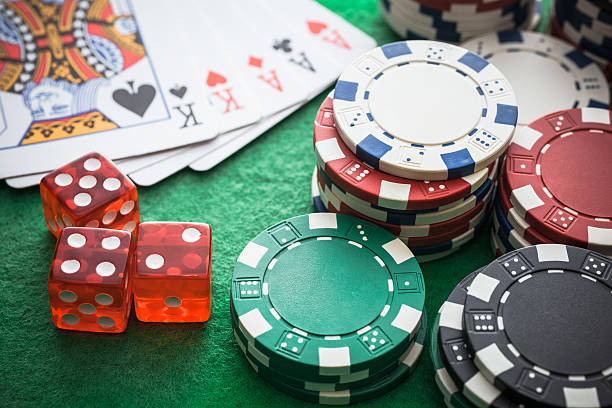
Additionally, recognizing that hot and cold streaks are mere illusions can empower players to make more informed decisions. They can focus on enjoying the experience rather than being swayed by superstitions. This perspective encourages a healthier approach to gambling, fostering a mindset of entertainment rather than compulsion, ultimately leading to a more enjoyable experience at the casino. Emphasizing enjoyment over superstition can enhance the overall gambling experience and prevent the pitfalls of emotional betting.
The Illusion of Skill in Games of Chance
Some players believe they can increase their chances of winning in games of chance through skillful play, but this notion is often misleading. While certain casino games involve strategies that can enhance a player’s odds, such as card counting in blackjack, many popular games like slots rely entirely on chance. Players who rely on perceived skill in these games may find themselves disappointed when luck does not favor them. It’s vital to discern which games genuinely allow for skillful play and which are purely luck-based.
Moreover, even in skill-based games, there are inherent limits to how much skill can affect outcomes. Professional poker players may have an edge over amateurs, but they still enter each hand with a mix of uncertainty and chance. The idea that skill can guarantee wins in every situation is a myth that can lead players to overestimate their abilities and make reckless bets without fully grasping the inherent risks. This misunderstanding can significantly impact their overall experience and financial well-being.
Understanding the distinction between skill and chance is crucial for responsible gambling. By recognizing the limits of skillful play, gamblers can avoid pitfalls that lead to impulsive decisions and potential financial loss. This awareness allows players to approach their chosen games with a healthy respect for the role of luck, keeping their expectations aligned with reality and ensuring they enjoy their experience more fully. Developing this understanding contributes to a balanced gambling approach, where players can appreciate both the thrill and the risks involved.
Myths About Winning Strategies
Many players are drawn to the allure of winning strategies that promise to beat the odds. Various betting systems, such as the Martingale strategy or the Fibonacci sequence, entice gamblers with the notion of guaranteed winnings. However, despite their popularity, these strategies cannot change the fundamental odds of the game. The reality is that no system can overcome the house edge in the long run, and relying on these strategies can often lead to significant financial losses.
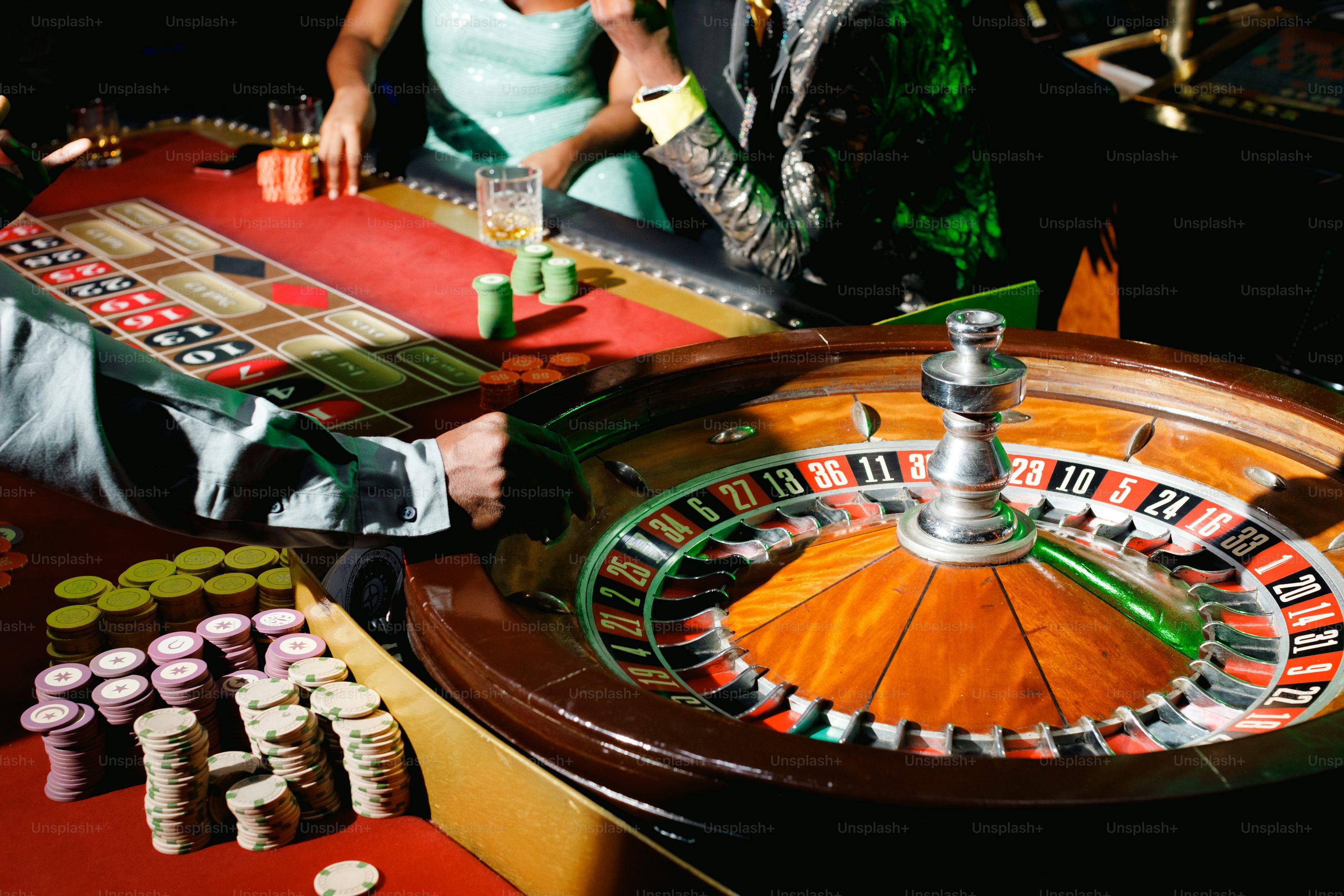
The Martingale system, for instance, suggests that players should double their bets after each loss, believing this will eventually recoup their losses. However, this method requires an infinite bankroll and does not account for table limits, which can quickly lead to devastating losses. Understanding the limitations of these systems is essential for players who want to enjoy their casino experience without falling prey to false promises. This knowledge helps players approach their betting decisions with a clearer perspective on risk versus reward.
Furthermore, promoting the idea of winning strategies can foster a dangerous mindset where players believe they can outsmart the casino. This often leads to compulsive gambling behaviors, as players chase losses in an attempt to validate the effectiveness of their chosen system. Ultimately, it’s best to approach gambling with the understanding that the outcomes are random, and the focus should instead be on entertainment and enjoyment rather than on unrealistic expectations of winning. Cultivating a healthy gambling mindset is essential for maintaining both enjoyment and financial responsibility.
The Role of Casinos in Promoting Responsible Gambling
Many players overlook the important role casinos play in promoting responsible gambling practices. While casinos are designed for entertainment and profit, they also have a responsibility to ensure their patrons can gamble safely. This includes implementing measures such as self-exclusion programs, providing resources for problem gambling, and promoting informed decision-making among their customers. Understanding this aspect can help mitigate the negative consequences associated with gambling.
In recent years, many operators have invested in technology and staff training to recognize signs of problematic gambling behavior. They often provide tools that help players set limits on their betting activities and encourage taking breaks to prevent excessive gambling. By fostering an environment that prioritizes responsible gaming, casinos are not only protecting their players but also enhancing the overall gaming experience. This commitment to safety reflects a growing awareness of the need for player protection within the industry.
Moreover, awareness of responsible gambling initiatives can guide players in making informed choices about their gaming habits. Knowledge of available resources lets players seek help if needed, ultimately creating a healthier gambling environment. By focusing on responsible practices and educating themselves about the gaming process, players can enjoy their time at the casino while safeguarding their financial and emotional well-being. This proactive approach not only benefits individual players but also contributes to a more positive gaming culture overall, promoting enjoyment without jeopardizing personal responsibility.