
The Allure of Casino Games
The allure of casino games is deeply rooted in human psychology, captivating players through a compelling blend of excitement and anticipation. The thrill of chance plays a significant role in this attraction, as individuals are drawn to the prospect of winning substantial rewards with minimal investments of time and money. This dynamic becomes even more compelling when players consider the emotional high that accompanies the potential of hitting the jackpot, especially when they enjoy options like neosurf casino instant withdrawal to enhance their gaming experience. As they watch spinning wheels or rolling dice, the rush of adrenaline enhances their engagement, making each moment in the game feel significant and thrilling.
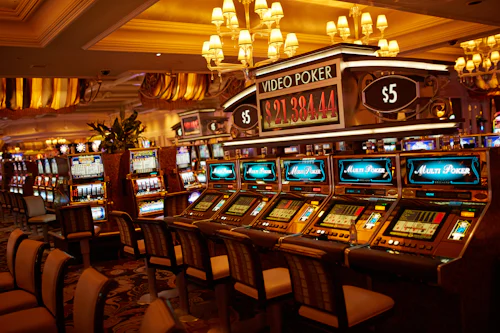
Moreover, casinos are meticulously designed to amplify this allure, employing a combination of bright lights, vibrant colors, and enticing sounds. These elements create a sensory overload that stimulates excitement and promotes longer play sessions. The strategic placement of games, paired with the absence of windows or clocks, creates an environment that disorients players regarding time, allowing them to immerse themselves in the experience. This manipulation of sensory perception fuels extended gameplay and encourages repeated visits, as the environment itself becomes an integral part of the gambling experience.
Furthermore, the social aspect of casino environments cannot be overlooked. Players often find camaraderie and shared experiences in these lively settings. Whether it’s celebrating victories together or commiserating over losses, the interactions between players significantly augment the thrill of the game. This social dynamic fosters a sense of belonging and adds layers of entertainment beyond the games themselves, making the overall experience richer and more engaging for participants.
The Role of Risk and Reward
Understanding the psychology behind risk and reward is crucial in the context of casino games. The thrill of taking risks is deeply embedded in our evolutionary instincts, where the potential for reward has historically motivated humans to seize opportunities for survival and advancement. In casinos, this instinctual drive is magnified; players are often willing to take risks that might seem irrational, driven by the allure of potentially significant financial gains. This is particularly evident in high-stakes games, where the adrenaline rush is coupled with the promise of big wins, creating an intoxicating blend of excitement and risk.
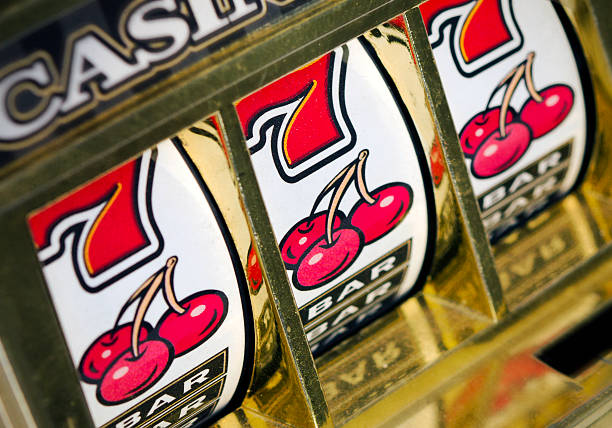
Moreover, the concept of a “near miss” plays a pivotal role in shaping players’ behaviors. When a player comes close to winning—such as in a slot machine where the reels almost align—it elicits a psychological response that promotes continued play. This sensation of being on the cusp of victory encourages players to risk more, believing they are just one step away from finally hitting that elusive jackpot. Recognizing this psychological trigger helps explain why players often return to games even after experiencing losses, as they cling to the hope that their fortunes will soon change.
Casino operators are acutely aware of these psychological factors and design their games to enhance engagement and retention accordingly. For instance, reward schedules often involve intermittent reinforcement, where players receive rewards at unpredictable intervals. This strategy keeps players engaged and makes them more likely to gamble longer since each bet feels like a potential gateway to a reward. The delicate balance of risk and reward is expertly manipulated to maintain players’ investment in the thrill of the game, ensuring they remain captivated by the experience.
The Impact of Cognitive Biases
Cognitive biases significantly influence how players approach and experience casino games. One of the most prominent biases is the illusion of control, where players mistakenly believe they can influence random events. For example, a player may think that by using certain strategies or engaging in specific rituals, they can sway the outcome of a game, despite the inherent randomness of games like roulette or slot machines. This belief can lead to repeated engagement, as players feel empowered and hopeful about their ability to influence results, often prolonging their gambling sessions.
Another key cognitive bias is the gambler’s fallacy, where individuals assume that past events influence future outcomes. For instance, a player who has witnessed several consecutive losses might believe that a win is “due,” leading them to continue gambling in anticipation of a forthcoming victory. This flawed reasoning can result in significant financial losses, as players fail to recognize the independence of each game round. Cognitive biases like these can shape gambling behaviors profoundly, leading to prolonged play and irrational decision-making, often at the expense of the players’ finances.
Moreover, casinos exploit these biases in their marketing strategies and game design. By reinforcing the idea of player skill and control, casinos entice individuals to gamble more, even when the statistical likelihood of consistent wins is low. For example, they might emphasize a player’s past achievements or promote the perceived benefits of specific strategies, thereby creating an environment where cognitive distortions can thrive. Such tactics ensure that emotions and cognitive biases play a pivotal role in shaping the gaming experience, often leading players to return, regardless of the odds stacked against them.
The Role of Superstitions and Rituals
Superstitions and rituals are prevalent in casino settings, reflecting the psychological need for control amidst the randomness of gambling. Many players engage in specific behaviors, such as wearing lucky clothing or performing particular hand gestures, believing these actions can influence the outcome of the game. This need for ritualistic behavior arises from humanity’s desire to impose order on chaotic situations. The unpredictability of gambling can trigger anxiety; thus, players seek comfort in these rituals, convinced they can tilt the odds in their favor and enhance their chances of winning.
The significance of superstitions is further amplified by the social nature of casino gaming. Players often share their rituals with others, creating a sense of community and shared experiences. As individuals observe their friends engaging in specific behaviors while winning, they may adopt these practices themselves, perpetuating a cycle of superstition that reinforces their beliefs. This communal aspect not only fosters connections among players but also adds an additional layer of excitement to the gaming experience, as participants engage in collective belief systems that enhance their enjoyment and investment in the games.
Additionally, casinos may capitalize on these superstitions by incorporating elements that resonate with players’ beliefs. For instance, machines might feature symbols or themes that appeal to traditional notions of luck, such as four-leaf clovers or specific numbers deemed lucky. By aligning their offerings with these beliefs, casinos can deepen players’ engagement, making them feel more connected to the gaming environment. Ultimately, the intertwining of superstition and gambling enriches the psychological landscape of casinos, enhancing the overall experience and drawing players back time and again.
Understanding Player Behavior on Gaming Platforms
In recent years, the rise of online gaming platforms has opened a new frontier in understanding player behavior. These platforms replicate the thrill of traditional casinos while incorporating unique features that cater to modern preferences. The convenience of 24/7 access, combined with tailored promotions, has significantly altered how players experience gambling. Understanding the psychology behind these shifts is crucial for both operators and players as they navigate this evolving landscape, ensuring that experiences remain engaging and responsible.
Online casinos leverage data analytics to personalize experiences for users, utilizing information such as past gaming behavior to optimize engagement. Recommendations tailored to individual preferences can create a more immersive environment akin to that of physical casinos. This personalized approach not only enhances player satisfaction but also encourages longer play sessions, as users feel more connected to the platform and its offerings. Recognizing these behaviors can lead to improved retention rates and player satisfaction, essential for success in an increasingly competitive market.
Furthermore, the blending of social elements into online platforms has opened new avenues for player interaction. Many online casinos now feature live dealer games or social gaming components, allowing players to engage with one another in a virtual space. This integration of social interaction enhances the gaming experience, addressing one of the key aspects that many players seek in traditional casino environments. As technology continues to shape the gaming landscape, understanding these dynamics will be essential for creating engaging and responsible gaming experiences that respect player psychology and welfare.