
Understanding the Psychology of Bluffing
Bluffing is not merely a tactic; it embodies a vital psychological maneuver in poker. Successful bluffing requires a nuanced understanding of human behavior, particularly how players typically react in various situations. Many enthusiasts enjoy refining their skills through various platforms, including online casino australia , where they can practice and enhance their strategies. Mastering the art of bluffing involves the ability to read opponents, discerning their vulnerabilities. Observing body language, betting patterns, and even subtle facial expressions provides invaluable insights into whether a player is holding strong cards or is merely pretending to do so. This skill is essential for creating a successful bluff that can sway the outcome of the game.
The psychological components of bluffing can be categorized into self-presentation and opponent perception. A well-timed bluff can radiate confidence, leading opponents to question their own hands. Conversely, a player who displays nervousness or uncertainty is less likely to be believed. Maintaining a calm demeanor while bluffing can significantly enhance its effectiveness. The primary objective is to convince opponents that you possess a winning hand, even when your cards are far from ideal. This psychological battle can be just as crucial as the cards dealt in the game.
Moreover, the emotional ramifications of bluffing on opponents should not be underestimated. A successful bluff can instigate fear, prompting players to fold even strong hands. This reaction is particularly pronounced in high-stakes games, where a player’s ego and financial investment are intertwined. Understanding how to leverage this psychological pressure can elevate a player’s strategy, making bluffing not merely effective but a fundamental component of their poker arsenal. Players who can navigate this emotional landscape often find themselves at an advantage, capable of manipulating the game dynamics in their favor.
When to Bluff in Poker
Timing is paramount in the realm of bluffing. Knowing precisely when to execute a bluff can often determine the difference between a triumphant win and a disheartening loss. Bluffing should ideally be employed in scenarios where the likelihood of success is elevated. For instance, bluffing on a board that suggests a strong potential hand can be more effective than attempting to bluff on a board that offers little to no strong hands. A keen understanding of the game’s context and the tendencies of your opponents is crucial for crafting successful bluffs.
Additionally, bluffing tends to be more effective against fewer opponents. In a multi-player pot, the chances that at least one player holds a strong hand escalate significantly. In contrast, when facing one or two opponents, a well-placed bluff can instigate enough doubt to make even a decent hand fold. Identifying moments for a bluff, particularly when you have been perceived as a tight player who rarely engages in bluffing, can amplify its potency, allowing you to exploit the table dynamics effectively.
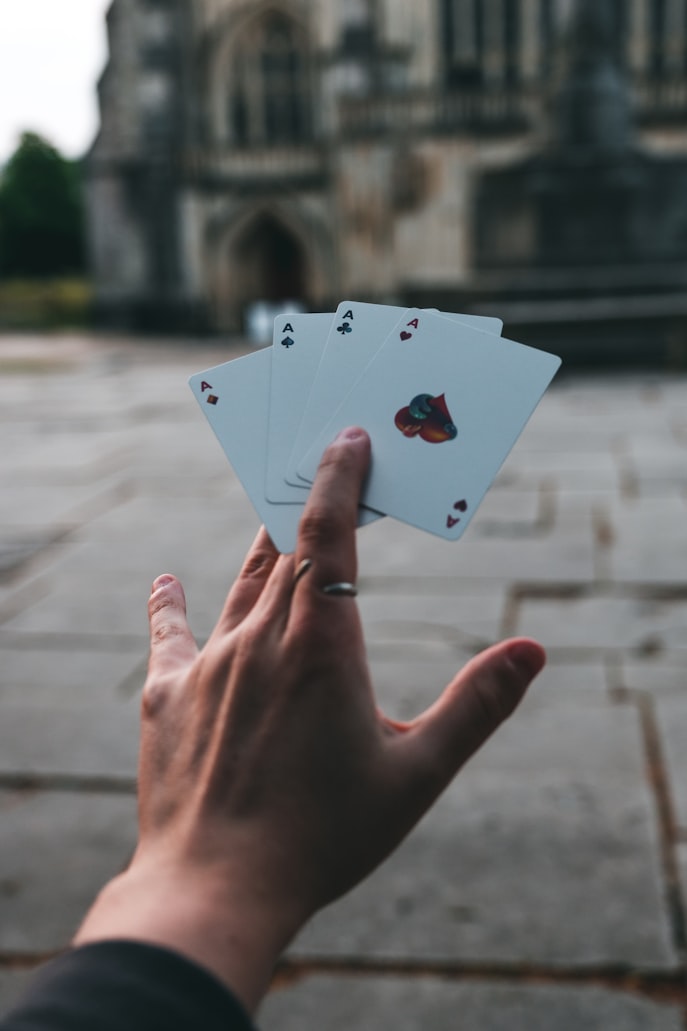
The level of aggression in the game further dictates when to bluff. If the table dynamics are aggressive, bluffing can create an illusion of strength that intimidates more cautious players. However, in a more passive environment, a bluff may lack the same psychological impact. Adapting your bluffing strategy based on these dynamics is crucial for becoming a more formidable opponent at the poker table. Recognizing when to shift gears and apply pressure can significantly enhance your overall performance in the game.
Developing a Winning Bluffing Strategy
A successful bluffing strategy is rooted in consistent practice and continuous refinement. One of the most effective methods to develop your bluffing skills is by varying your playstyle to keep opponents guessing. If you consistently play only strong hands, your bluffs may quickly become predictable. However, by integrating a mix of strong and weak hands into your game, you create an unpredictable profile that can lead to more successful bluffs in the long run. This unpredictability is a cornerstone of successful poker play.
Your table image significantly influences the development of a winning bluffing strategy. If you’ve established yourself as a tight player, opponents are more likely to fold against your bets due to the perception of strength. Conversely, if you’ve been overly aggressive, opponents may be more inclined to call your bluffs. Understanding how your own playing style is perceived gives you the leverage needed to craft effective bluffs. This self-awareness can make all the difference in high-pressure situations.
Finally, reviewing your hands and learning from both successful and unsuccessful bluffs is vital for growth. Analyzing past games can help identify patterns in your bluffing strategy and pinpoint areas for improvement. By differentiating between what works and what doesn’t, you can adapt your approach and make more informed decisions in future games. This commitment to learning transforms your bluffing into a finely-tuned art form, elevating your overall poker skills and effectiveness.
The Role of Position in Bluffing
Position at the poker table is a critical factor that influences the success of bluffing. Players in later positions enjoy the advantage of observing the actions of those who act before them. This insight allows them to make more informed decisions regarding bluffing. A player seated in a late position can gauge whether their opponents are weak or strong based on their betting behavior, creating the perfect opportunity to execute a bluff. This strategic advantage can turn the tide of the game in your favor.

Moreover, holding a favorable position allows for greater flexibility in bluffing tactics. Players can choose to raise, call, or fold based on the dynamics of the table. This control is especially important during the turn and river betting rounds when stakes are high, and players may be more reluctant to fold. Understanding these intricacies of position can inform your bluffing decisions, yielding more favorable outcomes. The impact of position on your bluffing strategy cannot be overstated and should be a central consideration in your gameplay.
It’s also essential to consider how your position affects your chip stack. A larger stack can intimidate opponents, making them more likely to fold against a well-timed bluff. Conversely, if your stack is short, opponents may perceive you as desperate, which can lead to calls despite your bluff. Recognizing how your position and chip count interrelate with your bluffing strategy can significantly impact your overall success in poker. Mastering this element enhances your ability to execute effective bluffs and manage the psychological aspects of the game.
Enhancing Your Poker Skills with Resources
Mastering the art of bluffing in poker necessitates not only practice but also access to the right resources. Online platforms, books, and tutorials can provide invaluable insights into advanced bluffing techniques and strategies used by seasoned players. Engaging with poker communities, whether in forums or social media, enables players to exchange ideas and experiences, further enhancing their understanding of bluffing. This collaborative approach can lead to significant skill enhancement over time.
Moreover, participating in poker training sites offers practical exercises specifically designed to improve bluffing skills. These platforms often feature simulated games that replicate real-life situations, allowing players to practice their bluffing in a risk-free environment. Analyzing your gameplay and receiving feedback from experienced coaches can significantly accelerate your learning curve. This structured approach to learning can help solidify your understanding and application of bluffing techniques.
Ultimately, the journey to becoming a master bluffer in poker involves continuous self-assessment and adaptation. The more you immerse yourself in the poker community and utilize available resources, the more your skills will evolve. Staying informed about current trends and strategies is vital in a game that continually changes, ensuring that you remain one step ahead of your opponents. By committing to ongoing learning and practice, you can refine your bluffing techniques and enhance your overall performance at the poker table.